If social media is trying to cure doomscrolling, where does that leave social media marketers?
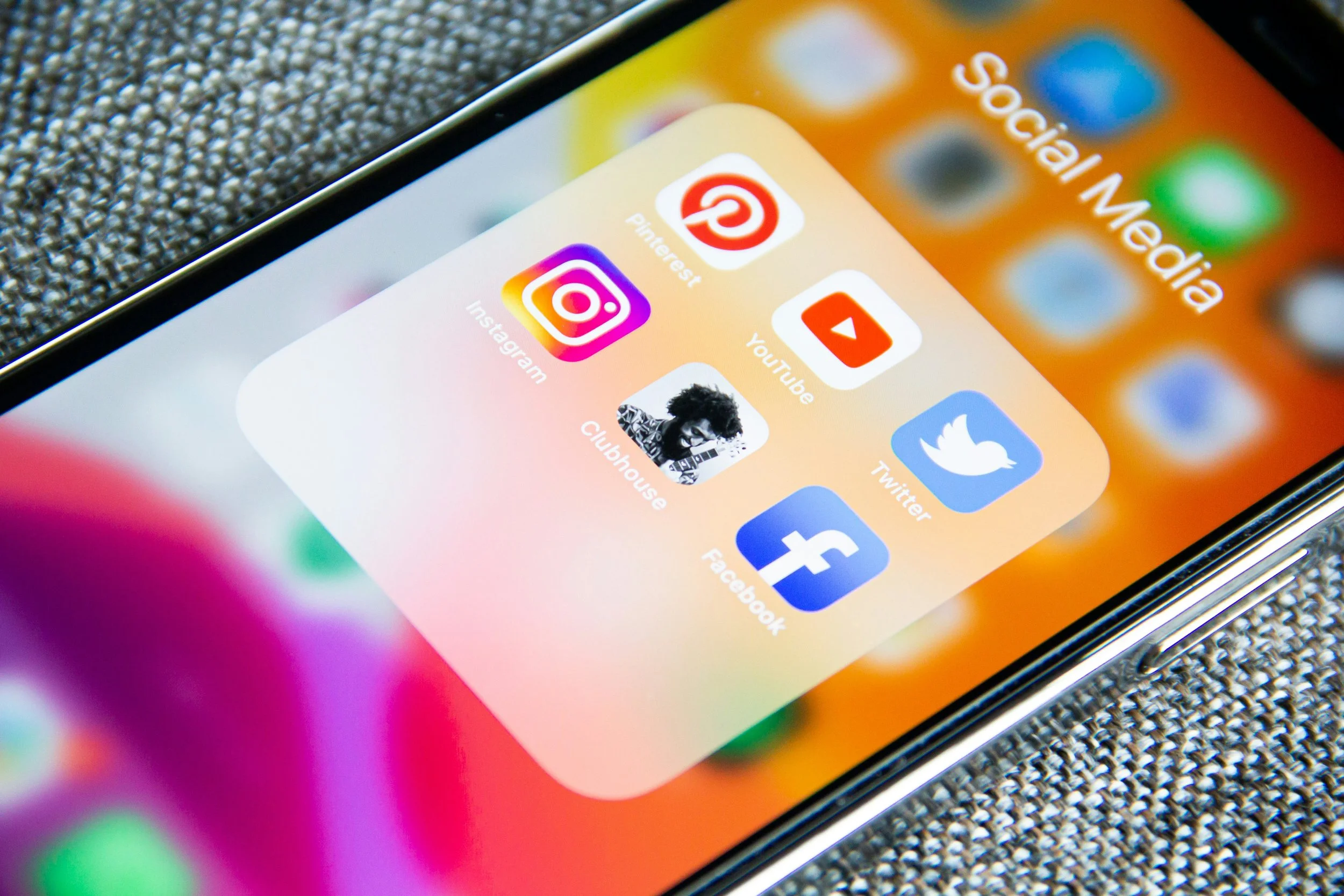
We all know that social media success has been built around keeping people on-platform for as long as possible. Just “one more video”, one more scroll. Everything is optimised to capitalise on your time.
But have you heard of Bond?
Well, Bond wants to help people stop doomscrolling - and social media marketers should probably pay attention.
It was launched in April with a very un-social-media-like promise: no infinite feed, no endless scroll, no algorithmic timeline designed to keep you staring at your phone for as long as possible.
Its proposition is not “stay here longer” It is: “use this platform to do something in the real world”. Users capture photos, videos and audio as private “memories,” which the app’s AI can then use to suggest real-world activities - from restaurants and concerts to books, places and experiences.
In other words, Bond is trying to use social media to get people off social media.
Whether Bond becomes a breakout platform or not is almost beside the point. Its launch taps into something much bigger: people are tired of being trapped in feeds that leave them feeling distracted, anxious, sedentary and disconnected.
And that raises an interesting question for brands.
If the next wave of social media is less about passive scrolling and more about real-world connection, where does that leave social media marketing? The industry has been trained to chase attention - more impressions, views, watch time. More content, more often, in more places.
But what if the better question is not “how long can we keep someone looking?”
What if it is “what does this attention actually lead to?”
That is where Bond becomes interesting - not necessarily as a platform every brand needs to jump on, but as a signal.
A signal that audiences want more intentional digital spaces
A signal that social media fatigue is real
A signal that the brands most likely to cut through are not the ones shouting loudest in the feed, but the ones creating moments people genuinely want to remember, share and act on
For the exhibition industry, this should feel less like a threat and more like a very clear signal. Because if audiences are craving more intentional digital spaces, more real-world connection and fewer hours lost to passive scrolling, exhibitions already have the answer.
They are built around the thing social media is now trying to recreate: people in rooms, conversations that move quickly, chance encounters, live demonstrations, shared experiences, and moments that feel more valuable because they happened face-to-face.
And of course, the best social content has never really been about filling a content calendar. It’s capturing energy, showing people, building trust, creating FOMO and turning what happens in the room into something that travels beyond it.
So, if social media is starting to move from attention to action, exhibition marketers should feel quietly confident.
Bond may or may not become the next big social platform. But the behaviour it points to matters. People want fewer empty scrolls and more meaningful experiences. For exhibitions, that is not a problem to solve - it is the whole proposition.